Wherever there is a tropical jungle, one thing anyone would love to see is wild elephants—roaming around leisurely, minding their own business. The one charging toward you might be a different story, but it’s hard work and much stupidity needed if you are trying to make an elephant angry.
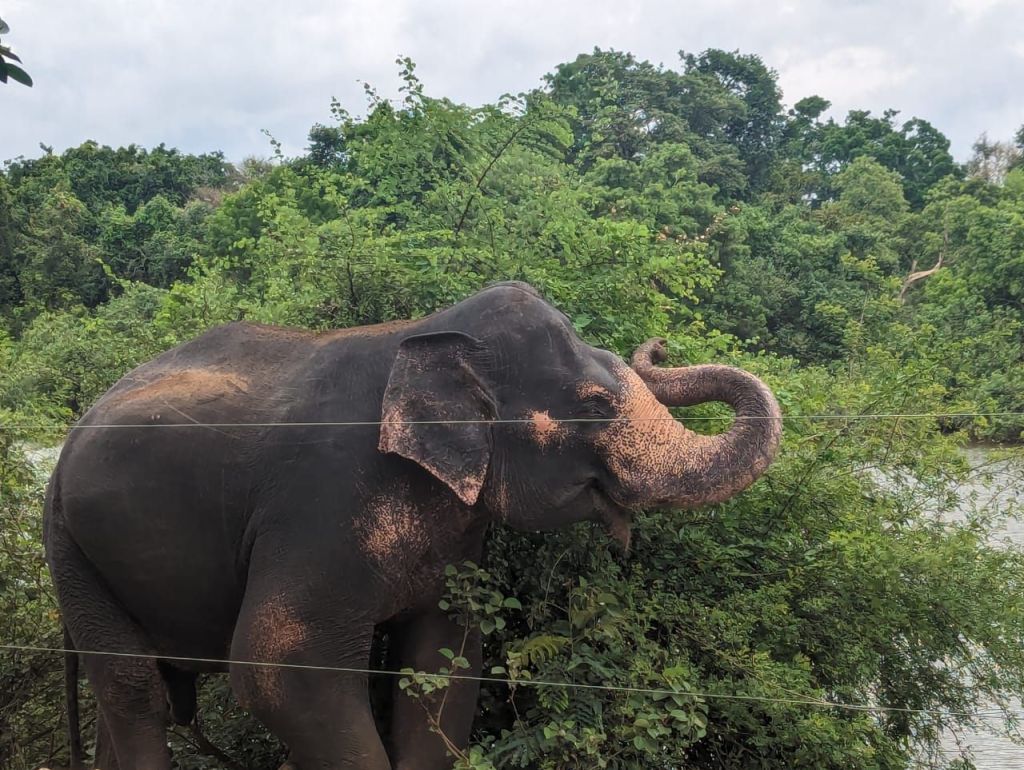
Sri Lanka is well known for its beautiful giants. Its lush nature, coupled with rich wildlife, is one of the country’s main tourist attractions—and wild elephants are at the top of that list.
Elephants are herbivores and usually live in herds. Like every creature in the ecosystem, elephants have their unique contributions to it too. These giants create paths through thick canopies and help shape the forest by bringing down large trees. Their massive footprints form small waterholes where other animals can survive. Even their partially digested dung helps spread seeds across vast distances, creating new habitats and supporting forest regeneration. If you feel disgusted by elephant dung, I would say do not be my friend, as the expensive coffee you are drinking now if produced in Thailand might be coming from partially digested seeds from elephant dung anyway!
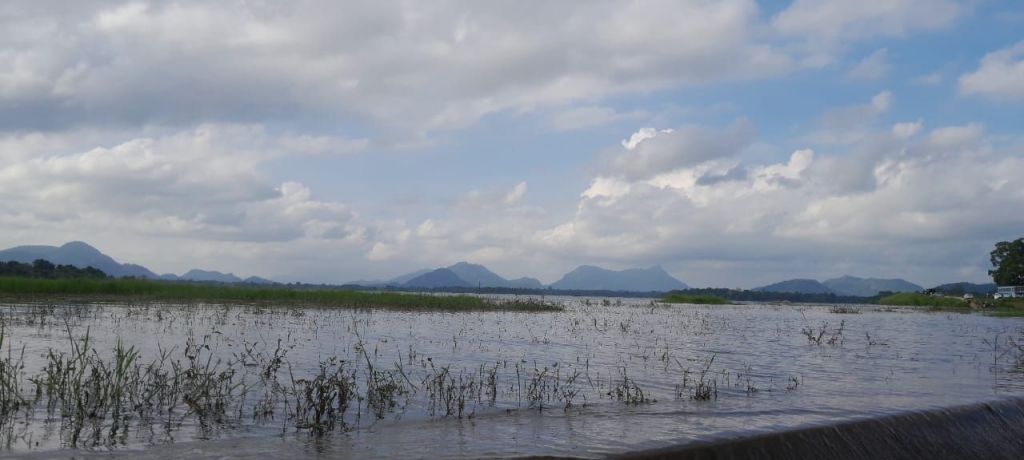
With ongoing development, elephants are rapidly losing their habitats, and finding food has become a major struggle. Human-elephant interactions have increased over the past couple of decades, and the outcomes have been unfavourable for both parties. Elephant fences are often seen as a solution, but they don’t address the real issue: Why do these giants come to the villages? The answer is simple—they need food.
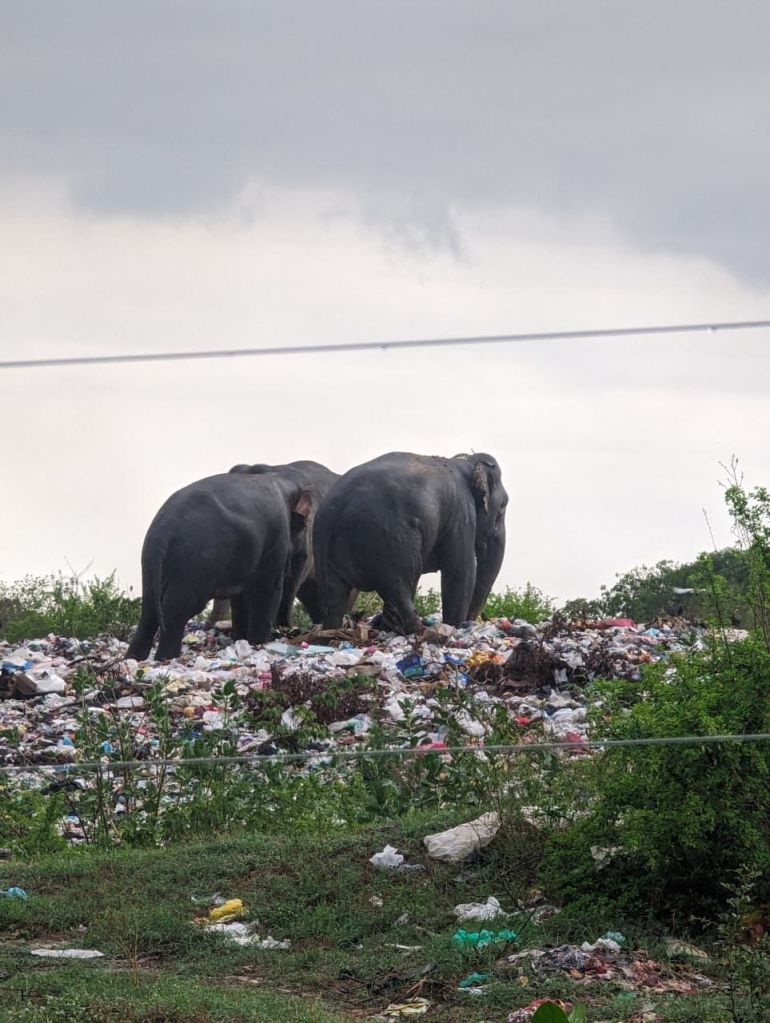
You may have witnessed this firsthand or seen it on social media: elephants by the roadside, searching for food—whether as beggars or thugs, depending on how you interpret it. In some cases, garbage dumps have become their cafeterias. Habitat loss, food scarcity, and changes in their dietary habits are raising serious concerns about their future.
Nature does wonders and always finds a way to survive—but can elephants face these challenges alone? As humans play a major role in creating these problems, we owe it to these helpless creatures to lend a helping hand for their survival.
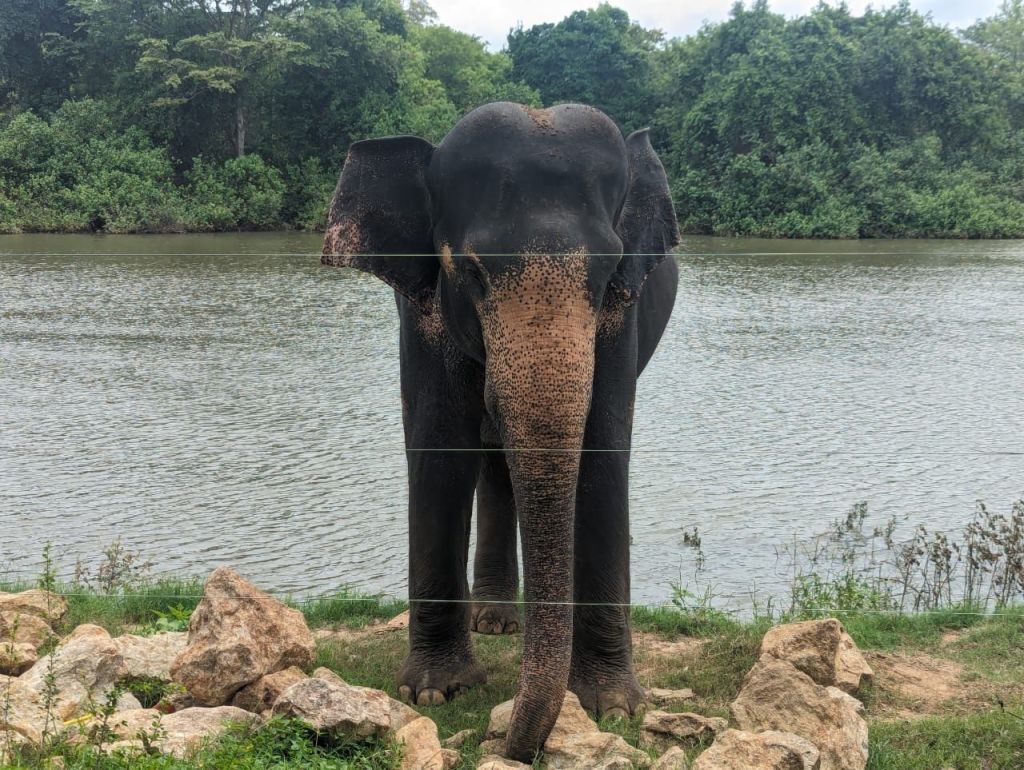
We need to think beyond elephant fences and look closer at the root causes. Can we preserve forests and adopt sustainable development strategies? Can we improve garbage disposal systems and minimize pollution? Can new policies be designed to benefit both humans and wildlife?
These questions must be answered if we want to continue seeing elephants roaming freely in the wild, minding their own business—as they were meant to.
So, shall we?
 Silent observer
Leave a comment